Henri Becquerel discovered radioactivity in 1896 when he was experimenting with x-rays. He discovered radiation when there was energy coming from the x-rays which could be bent. X-rays cannot be bent in a magnetic field and Becquerel came to the conclusion that there was an energy independent of the x-rays.
Friday, November 21, 2008
Who Discovered Radioactivity?
Henri Becquerel discovered radioactivity in 1896 when he was experimenting with x-rays. He discovered radiation when there was energy coming from the x-rays which could be bent. X-rays cannot be bent in a magnetic field and Becquerel came to the conclusion that there was an energy independent of the x-rays.
Radioactive Elements
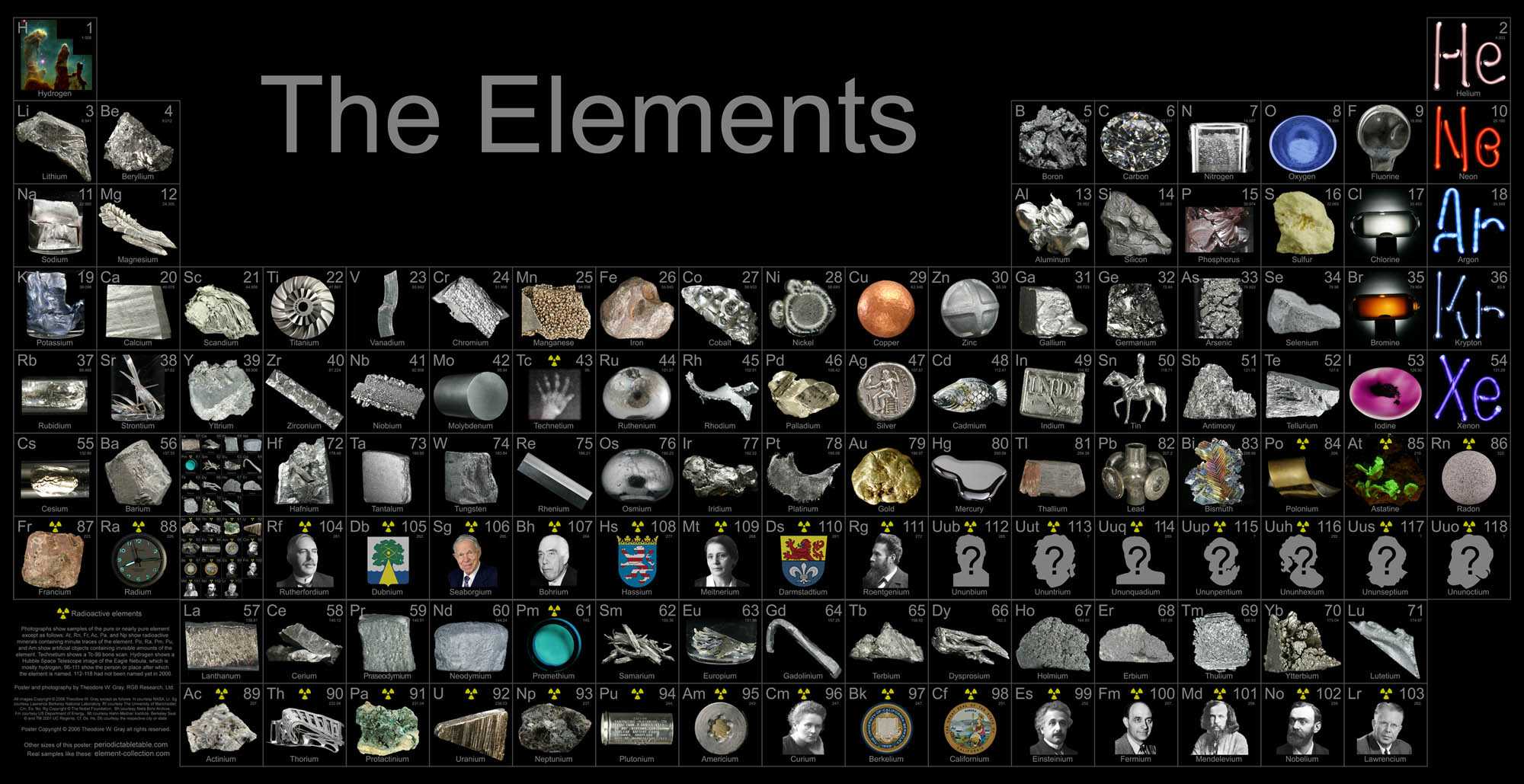
There are 37 radioactive elements they are: Technetium (43), Promethium (61), Polonium (84), Astatine (85), Radon (86), Francium (87), Radium (88), Actinium(89), Thorium (90), Protactinium (91), Uranium (92), Neptunium (93), Plutonium (94), Americium (95), Curium (96), Berkelium (97), Californium (98), Einsteinium (99), Fermium (100), Mendelevium (101), Nobelium (102), Lawrencium (103), Rutherfordium (104), Dubnium (105), Seaborgium (106), Bohrium (107), Hassium (108), Meitnerium (109), Darmstadtium (110), Roetgenium (111), Ununbium (112), Ununtrium (113), Ununquadium (114), Ununpentium (115), Ununhexium (116), Ununseptium (117), Ununoctium (118). These are the 37 radioactive elements. None of these elements are common, but some of them do appear more than others. For example Plutonium is more common than Ununhexium.
Backround Radiation
Radioactivity is everywhere. For someone living in New York City there is a nuclear powerplant in Westchester. On a smaller scale, our microwaves contain radiation, and the potassium in our bananas contain radiation. This radioactivity in the world around us is called background radiation. Background radiation is ionizing radiation. About 16% of background radiation is created by humans. 13% of the 16% of the background radiation is from nuclear medicine and x-ray machines. The other 3% is from things such as: smoke detectors, leftover radiation from old bomb tests, nuclear powerplants, previous powerplant meltdowns, and glow in the dark dials and paint. Most natural background radiation is from thoron and radon, two natural gases in the earth which leak through the ground and into buildings. Other sources of natural radiation are cosmic rays, and elements besides thoron and radon that are in food and building materials.
The Benefits of Radiation
There are many beneficial uses of radiation in all different situatuations. In medical use there are x-ray machines which use x-rays to view your bones; MRI machines (these do not use ionizing radiation) which use a magnet and radio waves to see inside your body; CAT scans which use x-rays but take a photo from all angles to get a 360 degree view of the body; radioactive tracers which are inserted into the body to find out if you have certain illnesses, which prevents surgery to diagnose an illness; radiation is also used in radiation therapy for cancer patients, in this it destroys cells, it is used to hopefully destroy the cancer cells; relating to this biologists use radioactive tracers to trace objects, or other subjects in the human body. Environemtnalists use radiation tracers to track pollutants in the water of an environment. Energy companies use nuclear powerplants to generate elctricity. Food is sterilized using radiation, which gives it a longer shelf life and eradicates bacteria in the food such as E. coli. Radiation is used to turn plastics into polymers, which is more efficient than super-heating the plastics. Astronauts can use plutonium batteries in dark space, such as the dark side of the moon. Microwave ovens use radioactive microwaves to cook food. Also, many things that are good for us contain radiation, such as potassium which is found in bananas and which we need to survive.
Labels:
beneficial radiation,
cancer,
chemistry,
food,
good,
microwave,
nuclear energy,
plastic,
radiation,
science
Sources
Websites:
http://www.sciencenetlinks.com/lessons.cfm?BenchmarkID=4&DocID=424
http://www.nirond.be/engels/6.3.3_gevaar_eng.html
http://www.darvill.clara.net/nucrad/danger.htm
http://www.nirond.be/engels/6.3.3_gevaar_eng.html
http://www.darvill.clara.net/nucrad/danger.htm
Paper:
Scientific American Science Desk Reference
Periodic Table
Thursday, November 20, 2008
Dangers of Radiation
The danger radiation poses is in ionizing radiation. Ionizing radiation is damaging because it is very high energy. Since it is so high in energy it can mess with the paths of electrons, pushing them off course or slow them down. This can be extremely damaging, but most of the time there are no bad effects. Your body counteracts this by constantly producing new cells. However, sometimes the cell survives and mutates. This can lead to the death of the cell or to a mutation of the cell. The mutation in a cell can lead to cancer, or it can lead to a problem in your DNA. Large doses of radiation also lead to the death of many cells, this can cause many problems in your body, and can lead to death.
Subscribe to:
Posts (Atom)